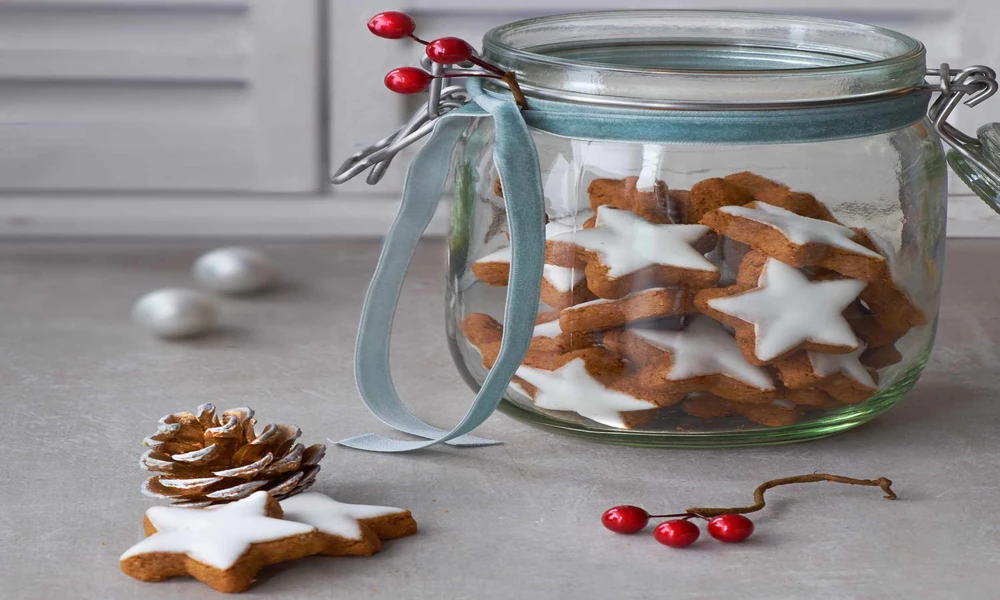




Cookies go stale for a different reason than most people assume: it is rarely air alone, but the ongoing exchange of moisture between cookie and container that softens a crisp bake or dries out a chewy one within days. A well-chosen Cookie jar manages that moisture exchange far better than a loosely covered plate or an old repurposed container, keeping texture consistent from the first cookie to the last.
Why Cookies Lose Their Texture So Quickly
Crisp, freshly baked cookies rely on having less internal moisture than the surrounding air, so they draw humidity in through any gap in a poorly sealed container and turn soft within a day or two. Chewy or soft cookies work the opposite way, losing their own moisture to drier surrounding air and turning hard and crumbly. An airtight seal slows both processes by minimising the moisture gradient the cookie sits in.
Choosing a Seal That Actually Holds
Not every lid labelled airtight performs consistently once opened and closed daily, and a seal that fits loosely after only a few weeks of use defeats the purpose entirely. Gasket-lined lids or clamp mechanisms tend to outperform simple push-fit designs over repeated use, holding their seal integrity long after a basic snap lid has started to warp or loosen at the edges. Testing a lid by pressing gently on the sides after closing it is a quick way to spot a seal that is already failing.
Material Options and What They Offer
Clear food-grade plastic lets you see remaining stock at a glance, which matters for retail display or a busy kitchen where restocking decisions happen quickly. Opaque or tinted options protect contents from light exposure, which can accelerate staling in cookies with a high fat content, though this comes at the cost of visibility that clear containers naturally offer. Some businesses split the difference with a clear body and a tinted lid, balancing display appeal against light protection.
Separating Different Cookie Varieties
Storing soft and crisp cookies together accelerates both problems at once, since moisture migrates from the softer variety into the crisper one until they meet somewhere in the middle. Using a separate food storage container for baked goods for each texture type, rather than combining varieties in one large container, keeps each batch closer to how it tasted fresh from the oven.
Sizing for Home Use Versus Retail Display
Home kitchens generally do better with smaller, more frequently refilled containers, since a large jar left partly full accumulates more empty headspace and therefore a larger volume of air to manage moisture against. Retail and festive displays, by contrast, often benefit from larger transparent jars that showcase volume and variety, provided turnover is fast enough that freshness is not compromised by extended display time.
Packaging for Festive and Gifting Occasions
Cookies given as gifts need packaging that survives transport without crushing delicate shapes, which means rigid walls matter as much as an airtight seal during the festive season. A well-designed jar doubles as part of the presentation, removing the need for separate decorative wrapping while still protecting the cookies inside during handling and delivery. Layering different shapes with parchment inside the jar further reduces movement and breakage during courier transit.
Cleaning Jars Between Uses
Crumbs and sugar residue left in a jar attract pests and can affect the taste of the next batch stored inside, particularly with jars that previously held strongly flavoured varieties like ginger or spice cookies. A full wash with warm soapy water followed by thorough drying prevents lingering odours from transferring between different cookie batches over successive uses, and a quick check of the seal at the same time catches early wear before it causes a problem.
Extending Freshness With Simple Additions
Placing a small piece of bread or an apple slice in with softening cookies can temporarily restore some crispness by drawing moisture away, though this is a short-term fix rather than a substitute for proper storage. Food-safe silica packets, where permitted, offer a more consistent way to manage humidity inside a jar over a longer storage period, particularly useful during Singapore’s more humid months when ambient moisture is highest.
Common Mistakes That Shorten Shelf Life
Storing warm cookies in a sealed jar traps steam that condenses on the lid and drips back down, softening the whole batch far faster than gradual staling would. Letting cookies cool completely on a rack before sealing them away, even if it takes an extra hour, makes a measurable difference to how long they stay at their intended texture. Opening the jar frequently throughout the day has a similar, smaller effect, so keeping a small daily portion separate from the main batch is worth considering.
Choosing the Right Jar for Your Needs
Match container size to how quickly a batch gets eaten, separate cookie types by texture rather than combining them, and prioritise seal quality over capacity when comparing options. A properly chosen Cookie jar keeps every batch tasting close to fresh from the oven, whether it sits on a home counter or a festive gift table.